


Results
Three success stories — the Rudiment. way
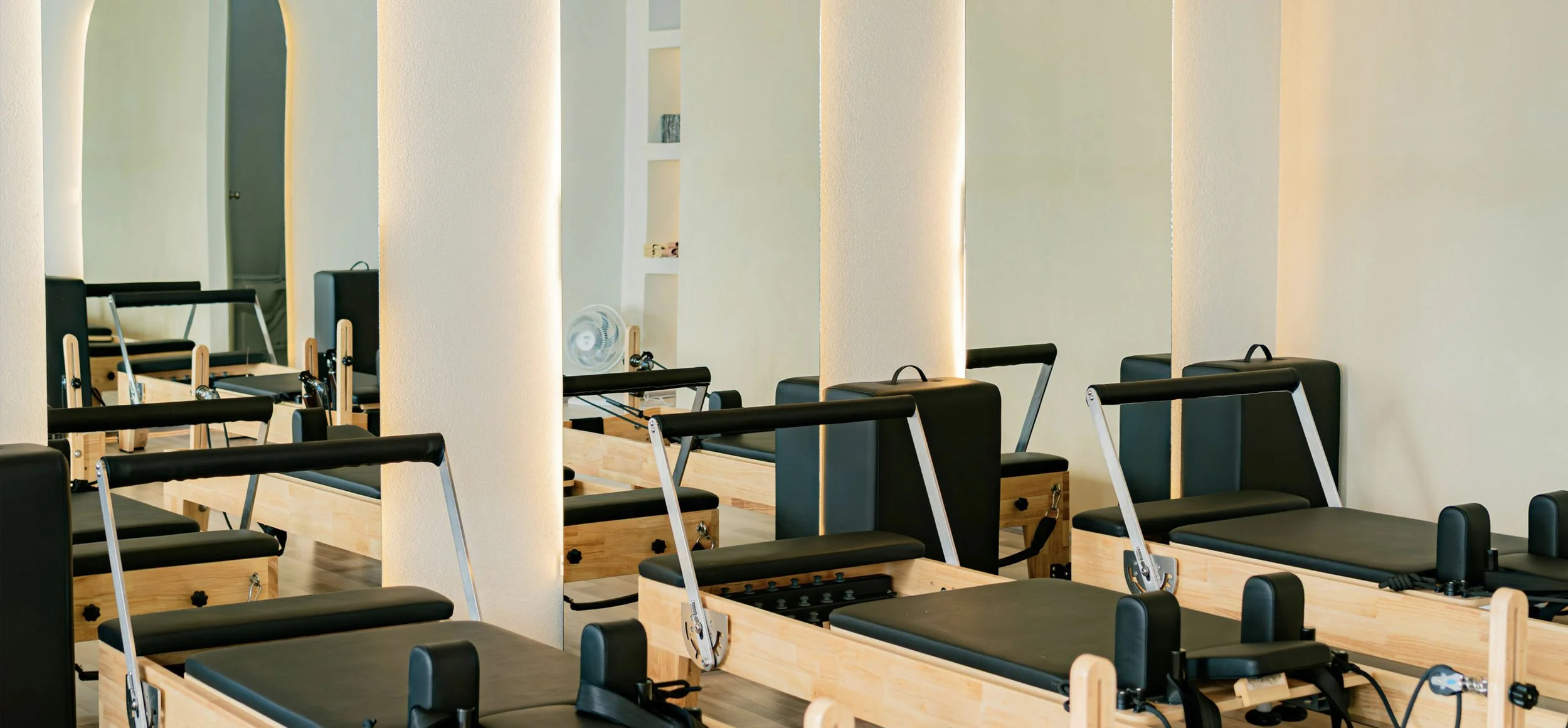
Boutique yoga & pilates fitness studio | Sydney, Australia
Clarity
How you are found matters more than when you are found
Business owners try to solve problems they don’t have.
Clarity is knowing which problems to ignore. Not by finding the answers, but with the right questions.
Studios wake up chasing. They chase Instagram followers, lead counts, email open rates, and enrolment numbers. But chasing is exhausting, and it never ends.
Sometimes, the best marketing comes from within. Rudiment increased this studio’s revenue by 18% in 60 days without acquiring any new members through paid marketing. The most loyal, trustworthy, and successful marketing comes from natural referrals. Therefore, the priority was to ensure the studio environment could foster it to the furthest extent.
We asked one question: What would make the members already in this studio want to stay longer, come more often, and bring someone they know?
The owner guessed: better classes, more equipment, a discount for referrals.
Maybe it could have been - but in our eyes, there was a far bigger problem.
What we observed: Members walked in, worked out, and left. Average dwell time after class: 6 minutes. No talking, no lingering, because there was no reason to. The studio was just a place to go, not a place to be.
Zero advertisements, but three minor changes:
1) Only one success metric: The seven-day return rate
Businesses love to measure everything (IG followers, email open rates) except the metric which actually predicts future revenue
Core metric: Of the first-timers who walked through my door this week, how many will walk through it again next week?
Acquire recurring customers rather than renting them for the hour
2) Creating an environment for more than just fitness
Introduced post-workout drink service with third-party provider
Unforced social seat layout to converse during drinks & waiting
Additional income from small fee leasing space & drinks sales
After-class dwell time increased from 6 minutes to 28 minutes
Non-member walk-ins made up 30% of sales within first 2 weeks
3) Yield management bookings to increasing in-person experiences
Discounts for otherwise empty booking slots to first-time visitors
Reduced commitment barriers for new leads and early-funnel clients
Feedback loops immediately after classes to retain warm leads
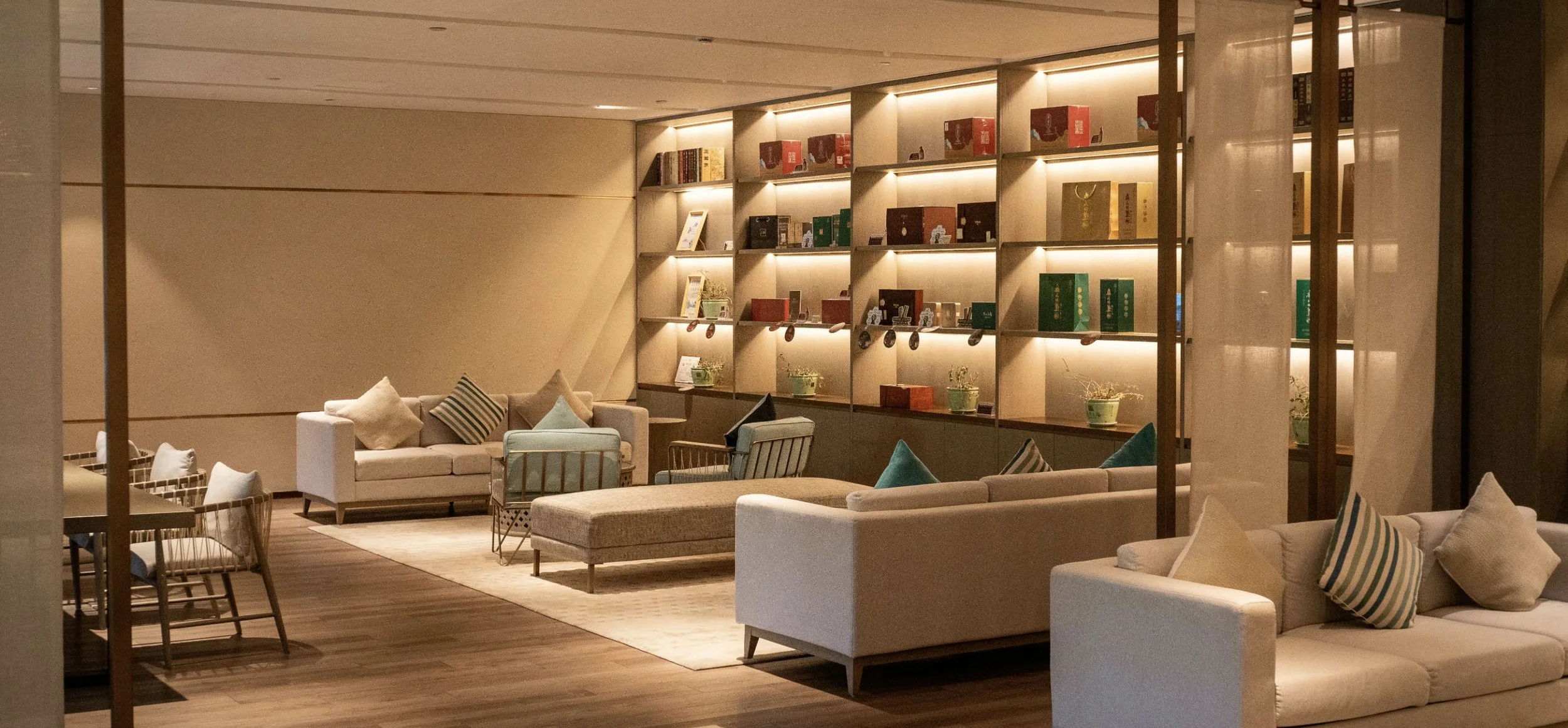
Premium 4-star business hotel | Hangzhou, China
Operations
Condense arrival times instead — because it works best
Most hotels believe 300 guests is too many to handle perfectly.
For one, it’s now a normal Tuesday evening check-in.
Full-service hotels tend to have a common problem - everybody arrives at once. Business travellers create ‘peak arrival’ during conferences, and waiting in queues after long journeys is not a first impression any hotel wants.
Incentivising earlier or later arrivals reduces this peak, but as a premium hotel, this decision should rest with the guest - the best service meets the client’s needs. Instead of managing the queue, Rudiment eliminated it with four operational shifts, turning waiting time into satisfaction and profit:
1) Night shift staff always sets cards for next-day arrivals
All stay information (such as wifi) is displayed in the room upon entry
Front desk replaces information speech with upselling opportunities
Average check-in time reduced from 180 to 75 seconds
Keys are coded and ready unless a room is upsold or changed
2) Early room turnover with staggered priority housekeeping
Housekeeping operate on priority zones rather than sequential floors
Yield management with room upgrades ready for early arrivals
90% of rooms ready by 14:30, above 85% industry standard
3) Upsell the premium ‘ready room’ during check-in
Arrivals before check-in offered a discounted room upgrade if available
30% conversion keeps standard rooms free for reassignment
Up to $1,500 incremental profit per peak night, all pure margin
4) Discounted cocktails for waiting guests
Every guest waiting over 3 minutes receives a discount voucher
Guest satisfaction scores increase; only 40% redemption rate
Up to $500 incremental profit per peak day with minimal investment
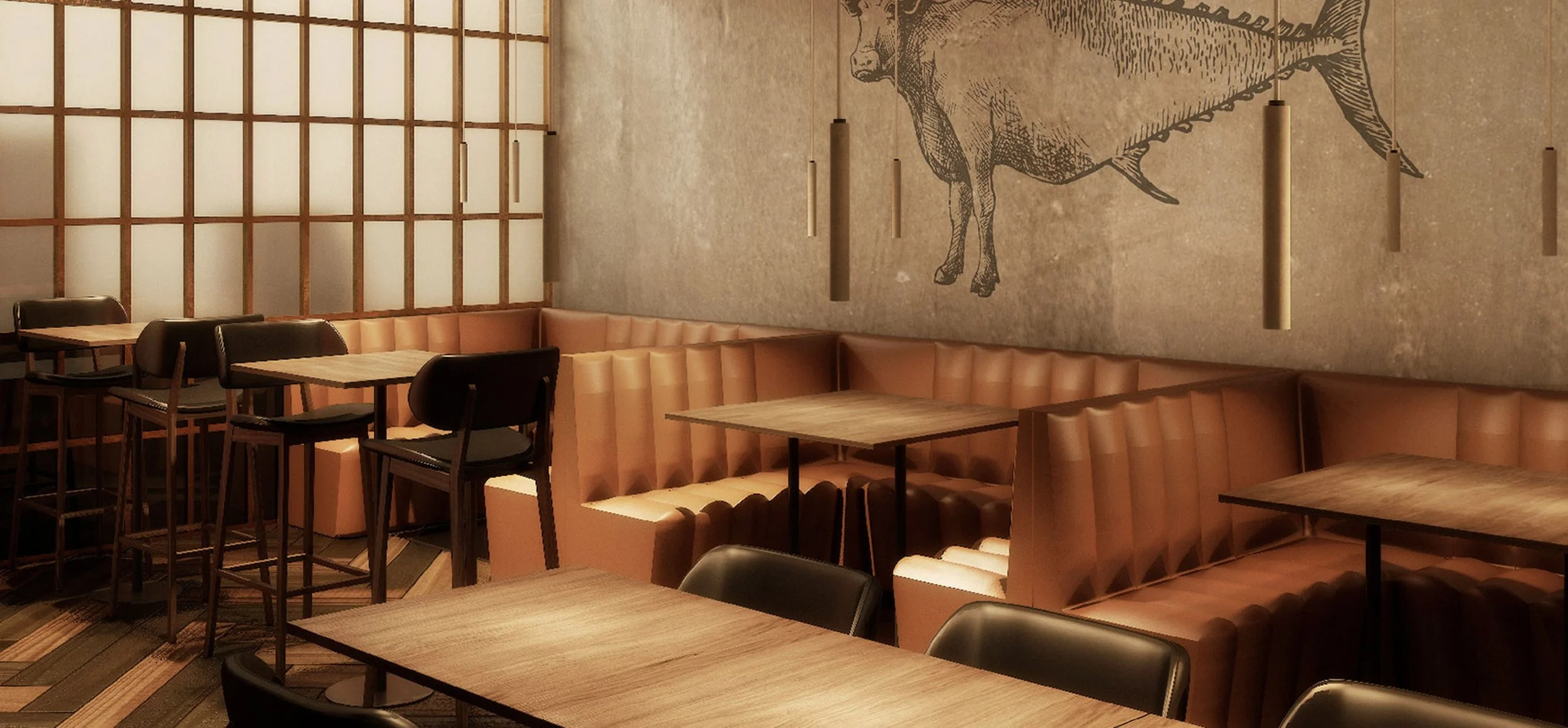
Rustic Argentinian steakhouse | Riyadh, Saudi Arabia
Scaling
Customers will never return on merit of ‘good service’ alone
Dine-in restaurants believe it takes three visits to secure a regular, returning customer.
However, 3 in 4 don’t ever return for a second visit.
The first visit at any dine-in restaurant is always curiosity. Even with an exceptional dining experience, only 28% of industry-wide diners return.
Successful second visits score 44% success, but industry numbers show true conversion only occurs after a third meal, at 78% returning for a fourth.
The problem is not the food. The problem is the gap. Most restaurants discount the meal already eaten, offer loyalty cards which get lost, or rely on good food or service alone to bring people back through their doors.
Rudiment introduced a scaling ecosystem to encourage return visits with the goal of increasing margins per table. Each return visit needed to be special:
1) Every first-time diner to a three-visit timeline
The core principle of ensuring every diner eats at least three times
Value-based pricing to encourage return dining experiences
Increased to 35% second visits and third return to 62% success
2) Invisible loyalty, because loyalty should only be on merit
Recognised return customers without asking for personal information
Alternative menus to drive curiosity and increase demand
Reservation history in service team notes before each session
3) Automated booking system to stagger kitchen order timelines
Ensured line chefs operate within reasonable demands at all times
Reduced demand for peak dining times, easing staff workloads
Table allocation criteria to reduce long walking distances for wait staff